Can you tell us about your church and your work in Parson Cross?
“It’s about trying to encourage people to be more open, listening to people more. We have made efforts to try to provide our activities and everything we offer in ways that people can really shape and contribute to and engage with.
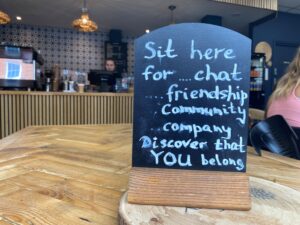
“By listening to people you actually learn from them and learn through them about how to make things better, and it might not turn out the way you had first imagined or thought, but you get a way that works for people. You then meet their needs, and hear what the real things are that are disengaging people, so you can try to rectify that. It’s all about engagement and inclusion, and working out how you set about creating that atmosphere and being community, where people are loved and wanted.
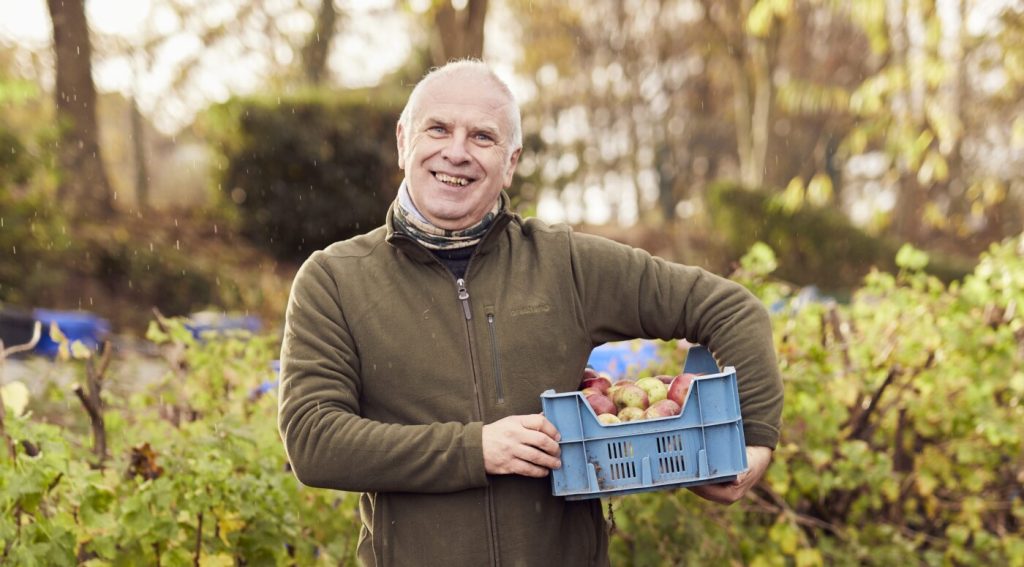
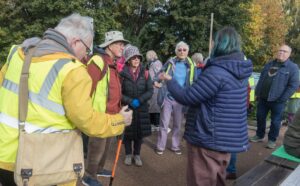
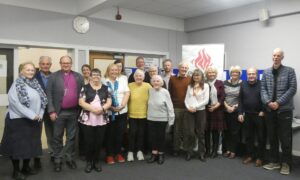
“Here, we run a social cafe and food hub, music and creative arts group, a community allotment, an autism support group for carers, a youth dodgeball club and other things. But everything comes from first listening to people and trying to understand people.
“The other day in our art club, people were talking about coming along or not, and someone said they wanted to come here forever, as it was where they were safe and belonged. When people say things like that, you recognise the importance of what you are providing in their lives and what a pivotal role that plays to their mental health, their spiritual health and their wellbeing. That doesn’t mean you’ve cracked it, but it means you feel we are well on the way to getting it right! People come when there’s a real value and love and support and they’re appreciated.
What are the theological elements to this for you?
“The basis of all my theology really is the idea of love and humanity. Everything we do is love and is done in love. Love is at the centre of everything. Justice and all these things stem from that central issue of loving your neighbour, loving your enemies, loving everybody. God is love and therefore we are called to love. It sounds simple, but it’s complex and challenging – but the message is clear, it’s about being love where we can.”