
Imagining a Britain without food banks

In “food bank free Britain” week, Jonathan Lees from Good Company in Surrey reflects on what such a future would be like – and how we might get there.
What would a “food bank free Britain” look like? What is a dignified food support service / network? 

We need to take these two thoughts as one, as just removing food banks would not make all remaining food support dignified. 

Much food bank support, as with other food support systems, is incredibly dignified and caring and provides amazing support for that individual at that point of need.

When I opened a food bank back in 2012, I thought it would be gone within a few years, and our ambition is still to see them gone. 

The challenge is how do we support individuals and families to either:

  1. Not need the support
  2. Create routes for people to rebuild their lives and not stay ‘fixed’ in that place. 


If this happened, then the need for crisis food support would decline and food banks could end.

Reflecting, could a better title here be “Is the problem that we’ve got too comfortable in the status quo, and we need to challenge ourselves to dream of a different reality?”

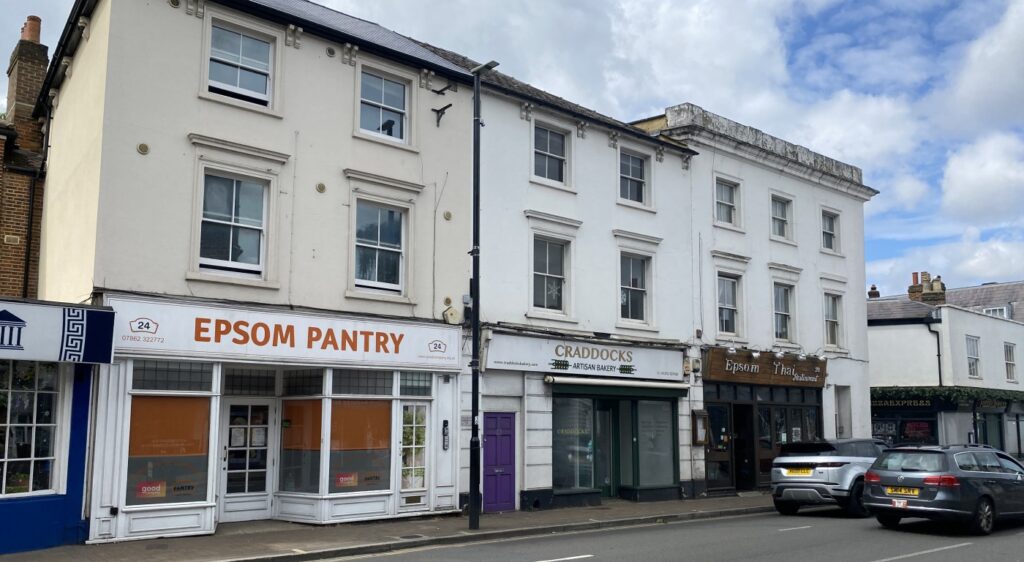
A street view of Epsom Pantry
Epsom Pantry, one of those run by Good Company in Surrey

Some background

We have been running food banks for nearly 15 years, pantries for nearly five and Advice Cafes for three years. They are all amazing projects that have supported and provided for lots of people. Our aim is to support people to build resilience and to move from crisis to a stable, secure base where they have the ability to make choices that we take for granted.

We believe that if we support people to develop their economic capability, strengthen their emotional wellbeing, build them into a supportive community with a secure home, then they can move on, it’s not about the level of food support. Prevention over reaction!

Food support could be needed at certain points and whether via food banks, food clubs, community fridges or pantries, it should always be dignified.

As an example, a few years back we changed how we gave out food at the food bank, so people now choose what they want as opposed to us packing for them. 

There was some worry as to how this would work and why it was needed but it has proved fantastic in giving people choice, greater dignity and reducing the amount of food given out because people were choosing what they wanted and needed rather than us packing a standard allocation of items. 

Before we made the change, we ran focus groups and a pilot to gauge people’s thoughts about where the system could work better. We did the same before we opened our pantries. This allowed us to ensure our community is shaping what we do and showing that we are prepared to, make changes when and where they’re needed, and not remain stuck in our structure. 

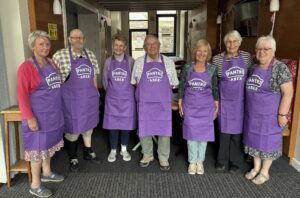
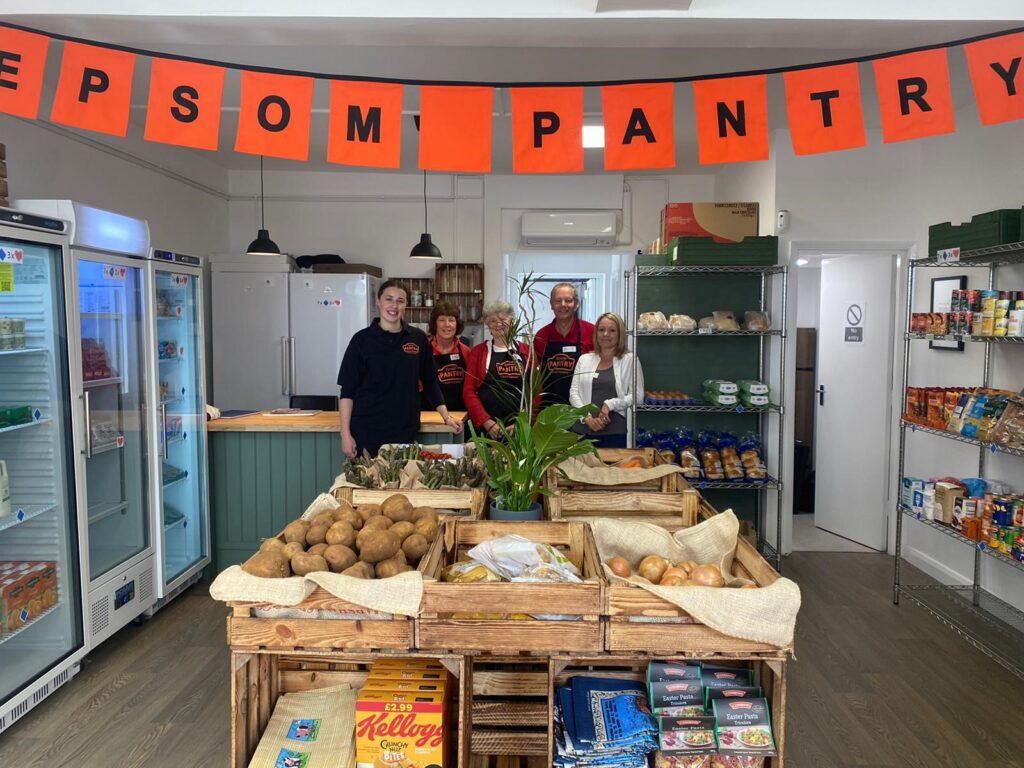
Volunteers in a Pantry, with "Epsom Pantry" bunting above them
Inside Epsom Pantry

A recent impact survey of one of our pantries showed that:

  • The proportion of members who reported that they are finding it difficult or very difficult has decreased from 70% in 2025 to 40% in 2026. 
  • 7 out of 10 say Pantry membership has helped them afford basic essentials and they feel more in control of their finances. 
  • 45% of our members say they have learned new skills since joining.
  • 73% of members say they feel more connected to the local community
  • 67% are better informed on where to get help. 

One of the initiatives suggested by members was a Savings Scheme, which we took on and began in our Pantries. It has proven to be one of the most impactful things we have done. Encouraging people to save has massively changed their outcome on life, helping them to feel less worried about meeting an unexpected cost, more confident managing their money, and encouraging them to develop a savings habit.

We need to constantly assess the impact of all we do, to ensure what started as a great idea has not become part of the problem.

In conclusion:

My final words are yes, I believe that we could have a food bank free future, and a food club free future and a pantry free future – but we also have to understand that for some people there will be a need for emergency food provision when a crisis hits. We need to ensure that when this happens, people can access food in the utmost dignified way and that we as workers, charity leaders and volunteers are compassionately supporting people to build their lives and not keeping them in these spaces.

The future should not be based on what we want to do or enjoy doing but on meeting people’s needs and supporting them to get up and go again and in the longer term, to not need us!