Why the Church must speak up: A personal reflection on faith, poverty & justice

In this guest blog, Deborah Vithiyanandan draws on her own experiences of injustice and marginalisation, and urges the church across the UK to stand up for justice. 
I arrived in Scotland as a child in 2001, seeking asylum with my family after escaping a conflict that had devastated our country. We left behind our home, our community and our sense of security, carrying only our faith and a fragile hope for safety. As Sri Lankan Tamils, we fled a civil war that ravaged our homeland for nearly three decades and claimed an estimated 100,000 lives.

One of my earliest memories of Scotland is from when we lived in the Maryhill area. It was winter, and my dad slipped on black ice and fell badly. We were new to the country, we didn’t know anyone, and everything felt unfamiliar. But the local Scottish church stepped in immediately. People who had never met us before came to help, support my dad and make sure our family was safe. They didn’t know us — but God knew. Their kindness was a lifeline in a moment of fear, and my dad never forgot it. Looking back, I can see that this simple act of compassion was one of the first signs of God placing the right people around us.

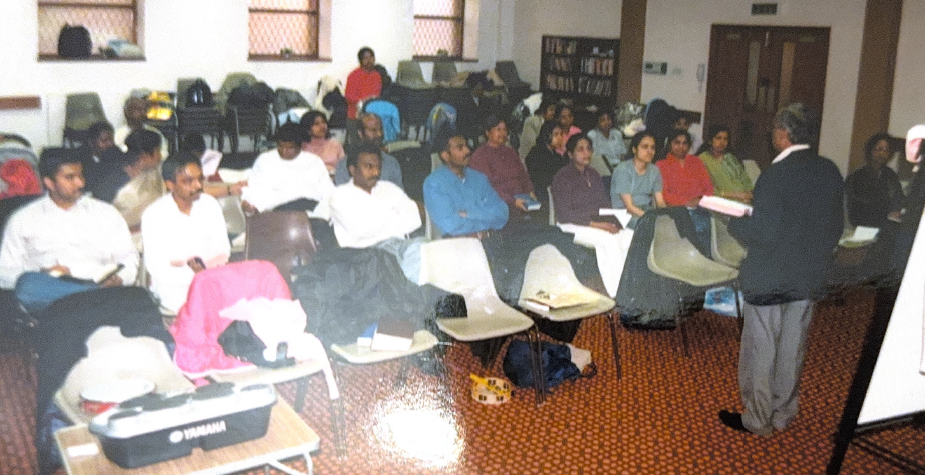
Around this time, the Tamil community in Glasgow began to grow. My dad felt a strong calling from God to serve that community — to build a church where Tamil families, refugees and new arrivals could find faith, belonging and hope. What began with a moment of kindness in Maryhill became the start of a whole new chapter for our family and many others.

What followed were nine long years within the UK asylum system — years marked by
uncertainty, restricted agency and prolonged waiting. Today, more than 128,000 people in the UK remain in that same state of limbo, awaiting an initial decision on their asylum claim.

We were prohibited from working and were issued vouchers instead of money — a system that felt dehumanising and socially isolating. Although the voucher system has changed today, many people seeking asylum still face long waits, limited rights and significant barriers to dignity and independence. Even in that difficult period, I witnessed God’s sustaining presence: guiding, protecting and providing for my family in ways we could not have anticipated.

The transformative power of education 

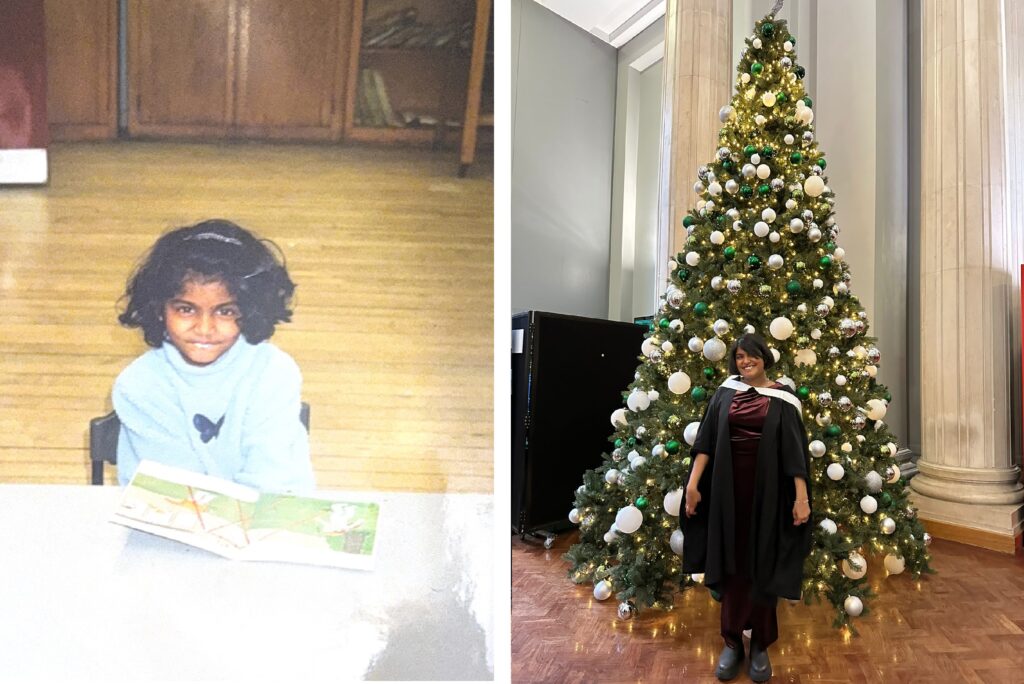
Education has been one of the most significant instruments of transformation in my life. After completing my secondary education at a special needs school, I gradually built my confidence and skills. I progressed from college to college, taking every opportunity available to me. I completed an HND in Digital Art, followed by a BA (Hons) in New Media Arts, and eventually a Master’s degree in Disability Studies. Each step was a testimony to God’s grace and to the teachers, mentors and communities who believed in my potential.

Although I arrived in Scotland with no material resources, education became the means through which God opened opportunities that structural barriers sought to deny. It equipped me with language, analytical skills and the confidence to understand the systems that marginalise individuals — and the capacity to challenge them. My journey from asylum seeker to graduate is a testament to God’s provision.

A grandmother’s prayer

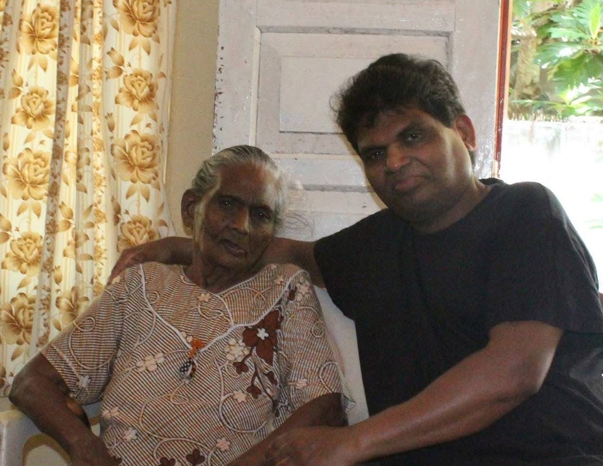
Long before we fled Sri Lanka, my late grandmother prayed faithfully that her son would grow into a God‑fearing man. She could not have foreseen the hardships he would endure: the loss of two brothers to war, the necessity of fleeing his homeland, or the challenges of rebuilding life in a foreign country. Yet God knew — and God honoured her prayer. When we visited Sri Lanka in 2015, my father had the privilege of baptising her, a moment that brought deep joy to our family. She passed away the following year, in 2016, but her faith continues to shape my journey and the life of our family even now.

Advocating for disabled and migrant communities

Today, I advocate for disabled people and for individuals with lived experience of immigration and asylum. As someone living with Cerebral Palsy, I understand what it means to navigate environments not designed with your needs in mind. Across the UK, disabled people face a 29% employment gap, meaning they are almost twice as likely to be unemployed as non‑disabled people. These experiences have shaped my commitment to justice.

The Church has a vital role to play in this work. Disabled people, refugees and asylum
seekers are bearers of God’s image, possessing gifts and insights that enrich our
communities. When churches exclude them — whether through inaccessible buildings, unfamiliar cultural practices or leadership that does not reflect their experiences — the entire body of Christ is diminished. 

Frm one church to many

The Tamil church my father helped establish in Glasgow — born out of hardship, sustained by prayer and motivated by a desire to share the gospel — has multiplied. Today, numerous Tamil churches exist across Scotland. Lives have been transformed, communities strengthened and individuals who arrived with nothing have found faith, fellowship and belonging.

6 ways churches can respond

Churches can contribute to justice in practical ways:

  • Promote access to education.
  • Listen attentively to disabled people, refugees and asylum seekers.
  • Ensure genuine accessibility in buildings, culture and leadership.
  • Engage publicly through advocacy and community involvement.
  • Collaborate with organisations already engaged in justice work.
  • Pray intentionally for those experiencing poverty, disability and migration.
A word of hope

My grandmother’s prayer for her son has borne fruit in ways she could never have imagined.

Today, by God’s grace, I hold two degrees and advocate nationally for disabled people and for those with experience of immigration and asylum. This is not because the system made it easy, but because God is faithful — and because people along the way believed in the power of education, inclusion and justice.

The Just Church programme is an invitation to participate in that same kind of faithful, hope‑filled action. My family’s story is evidence of what the Church can do. And I believe wholeheartedly that churches across the United Kingdom can do so again.

About the author:

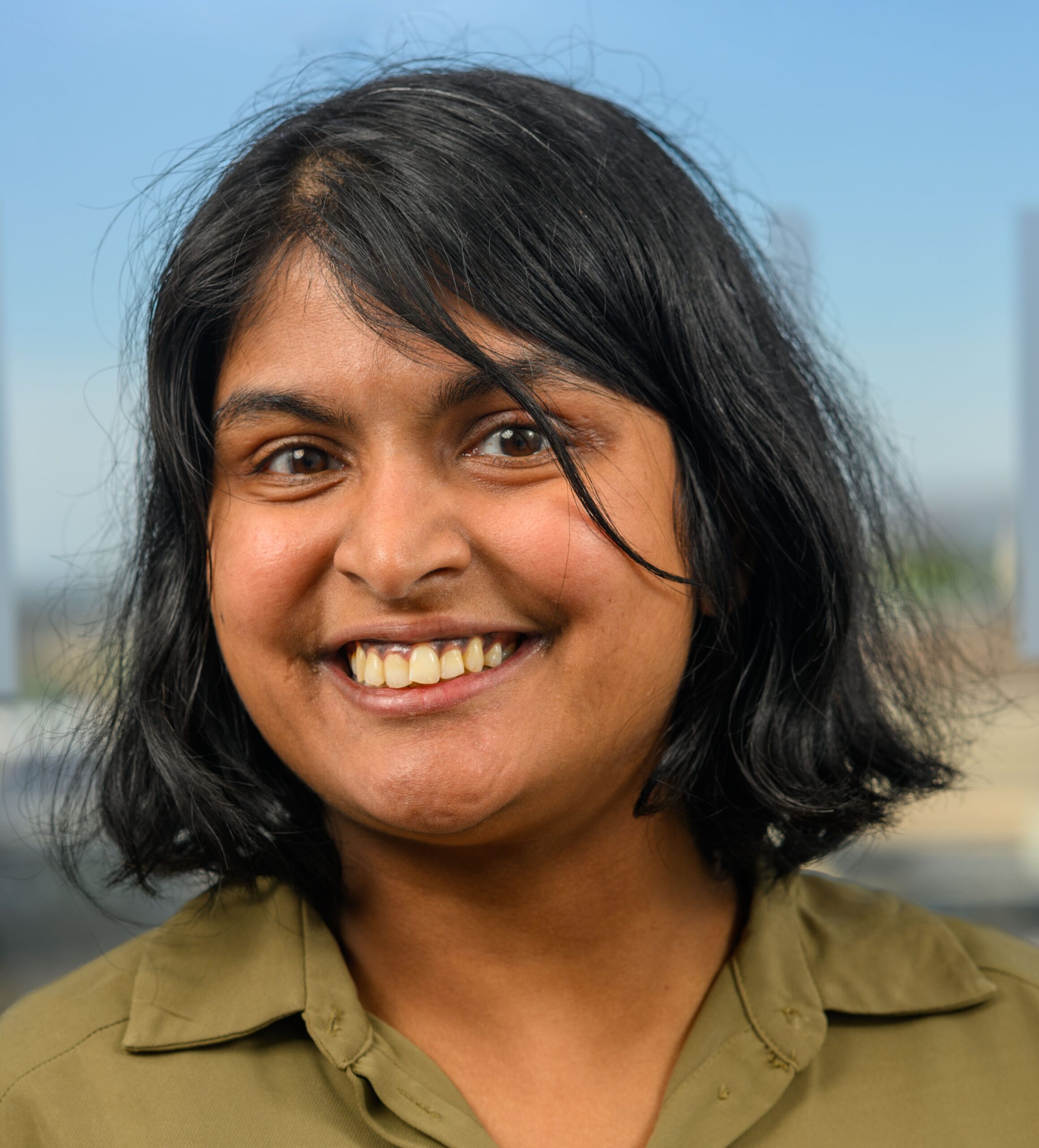
Deborah is a Sri Lankan Tamil Christian, disability advocate and mixed media artist based in Glasgow. After beginning her education in a special needs school, she went on to earn an HND in Digital Art and Culture, a BA (Hons) in New Media Art, and a Master’s degree in Disability Studies. She now works to advance justice for disabled and migrant communities.